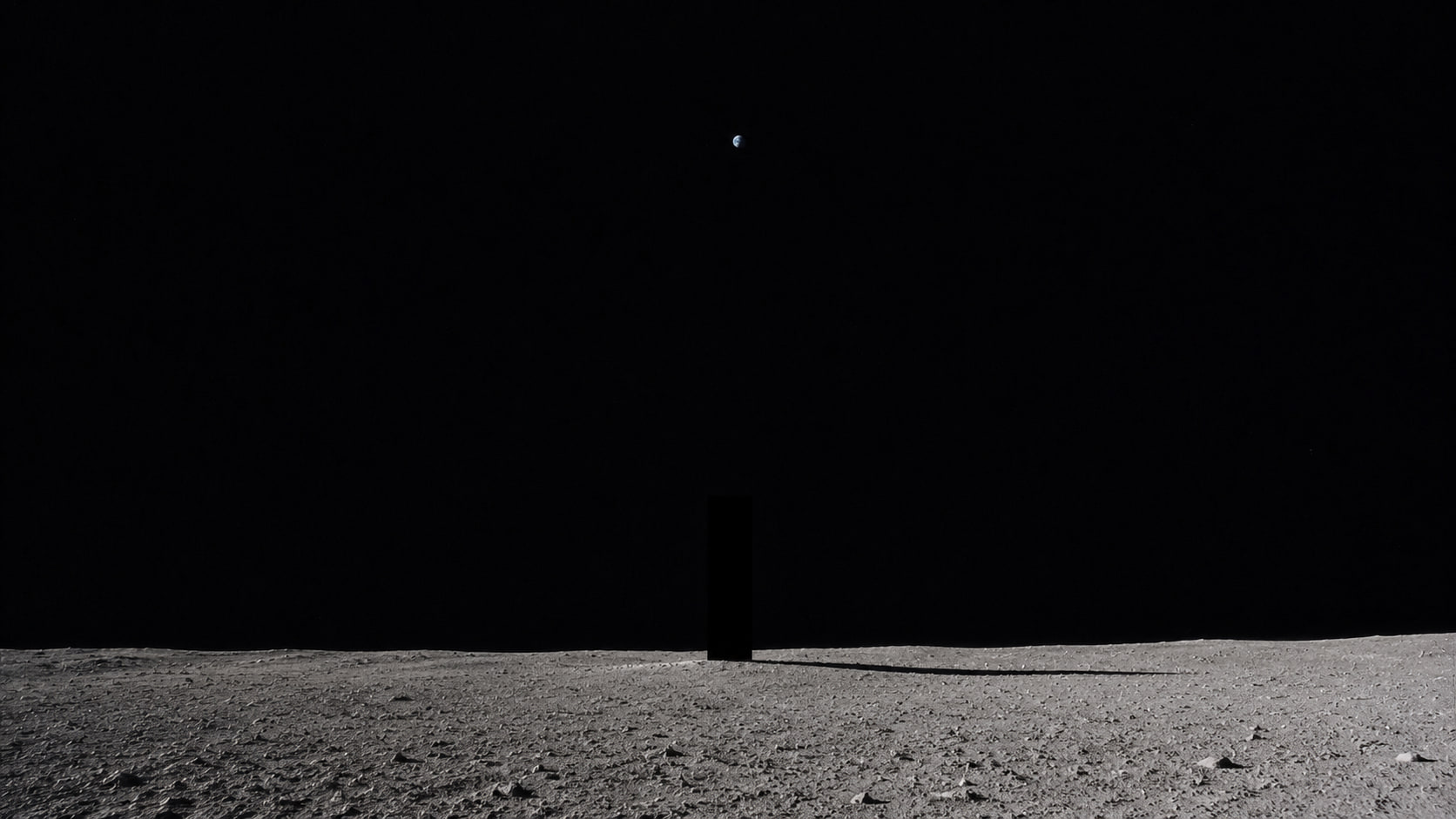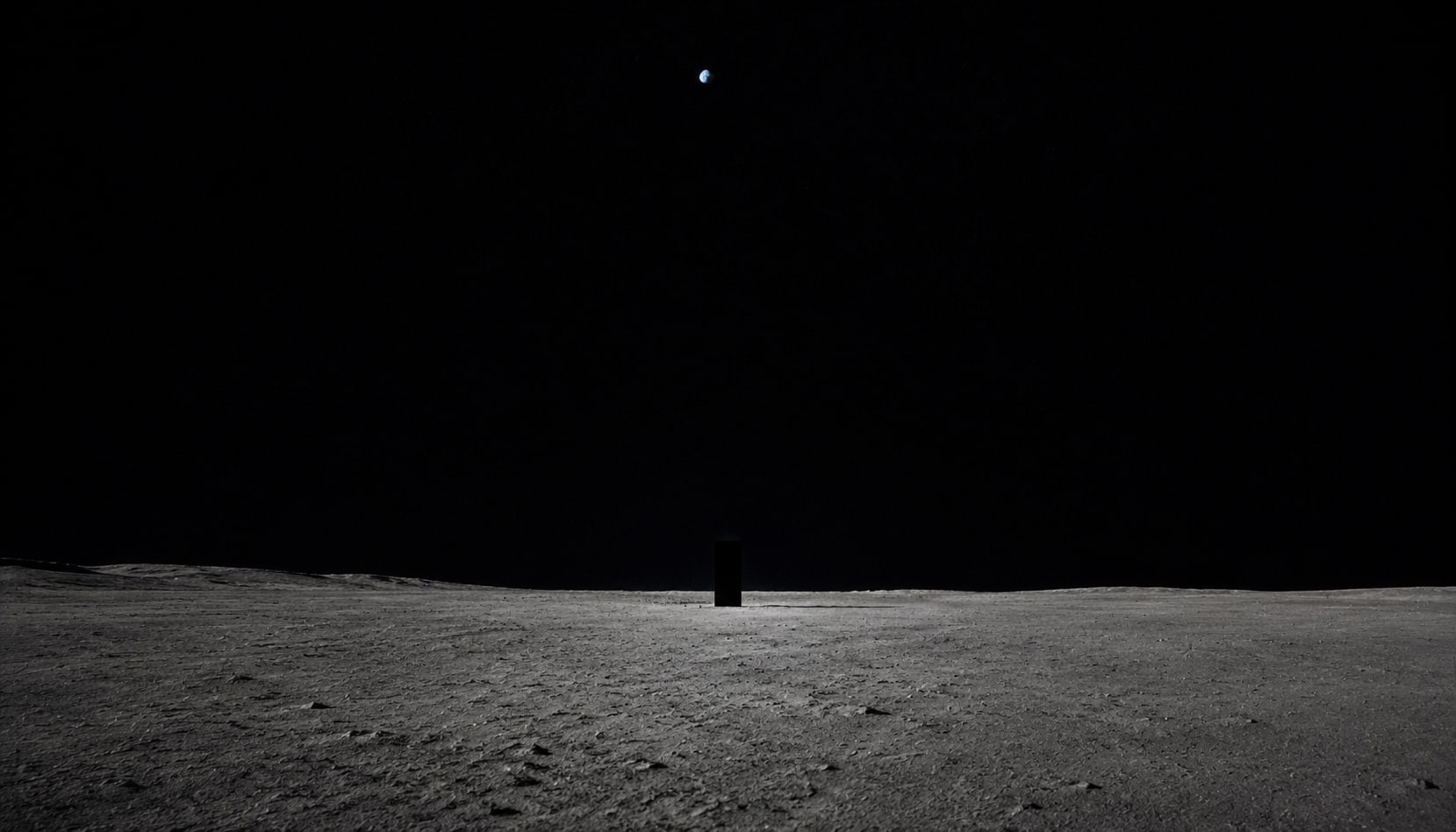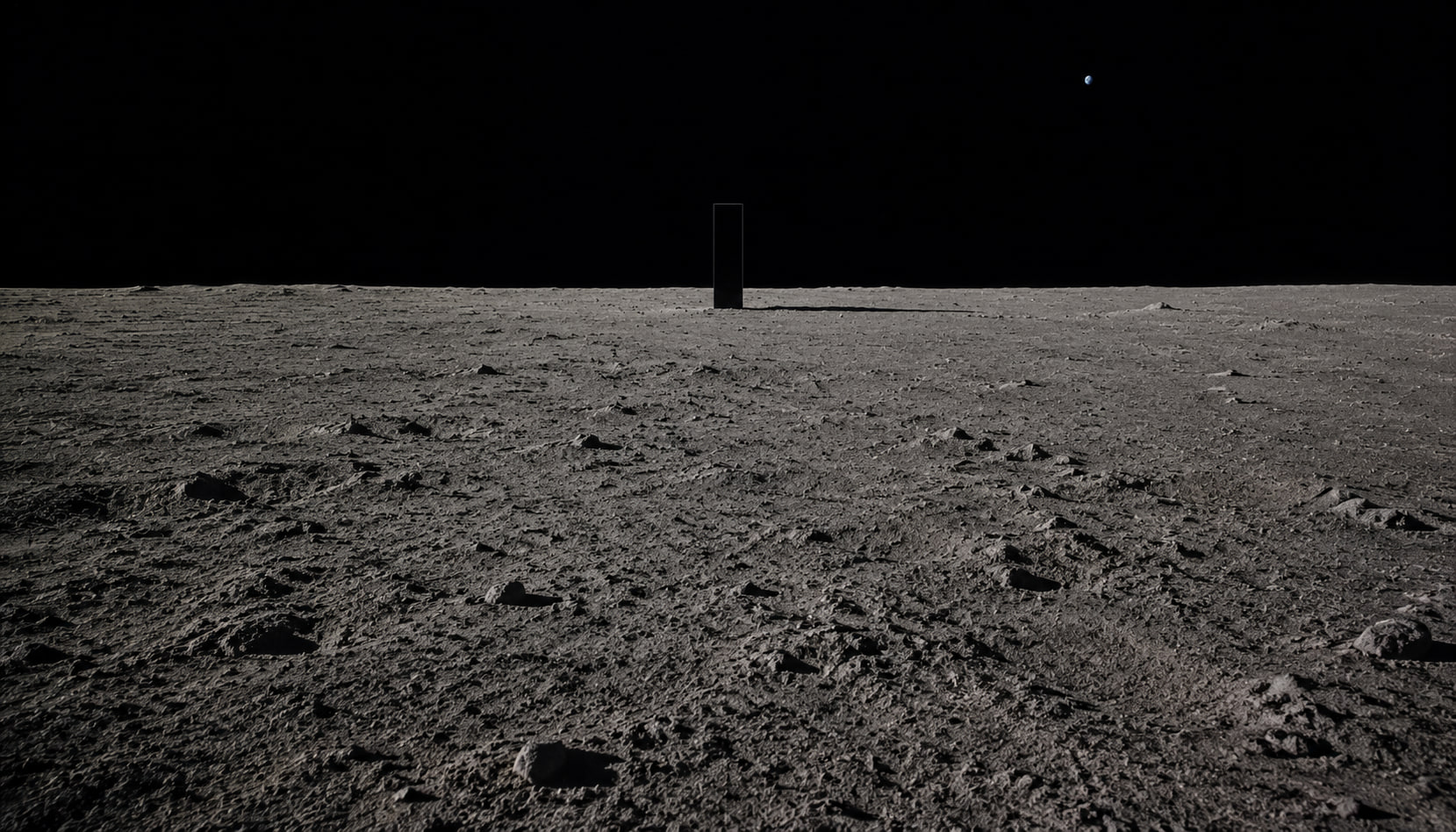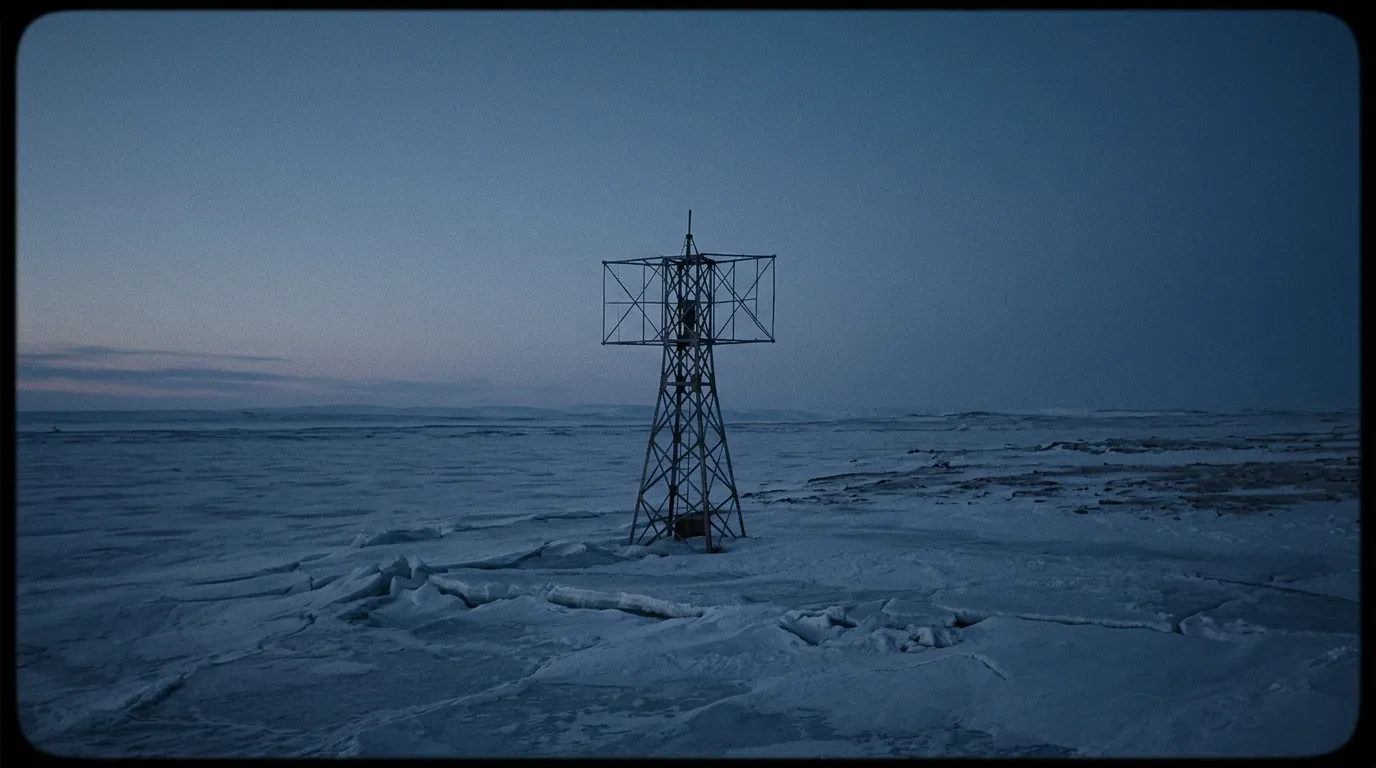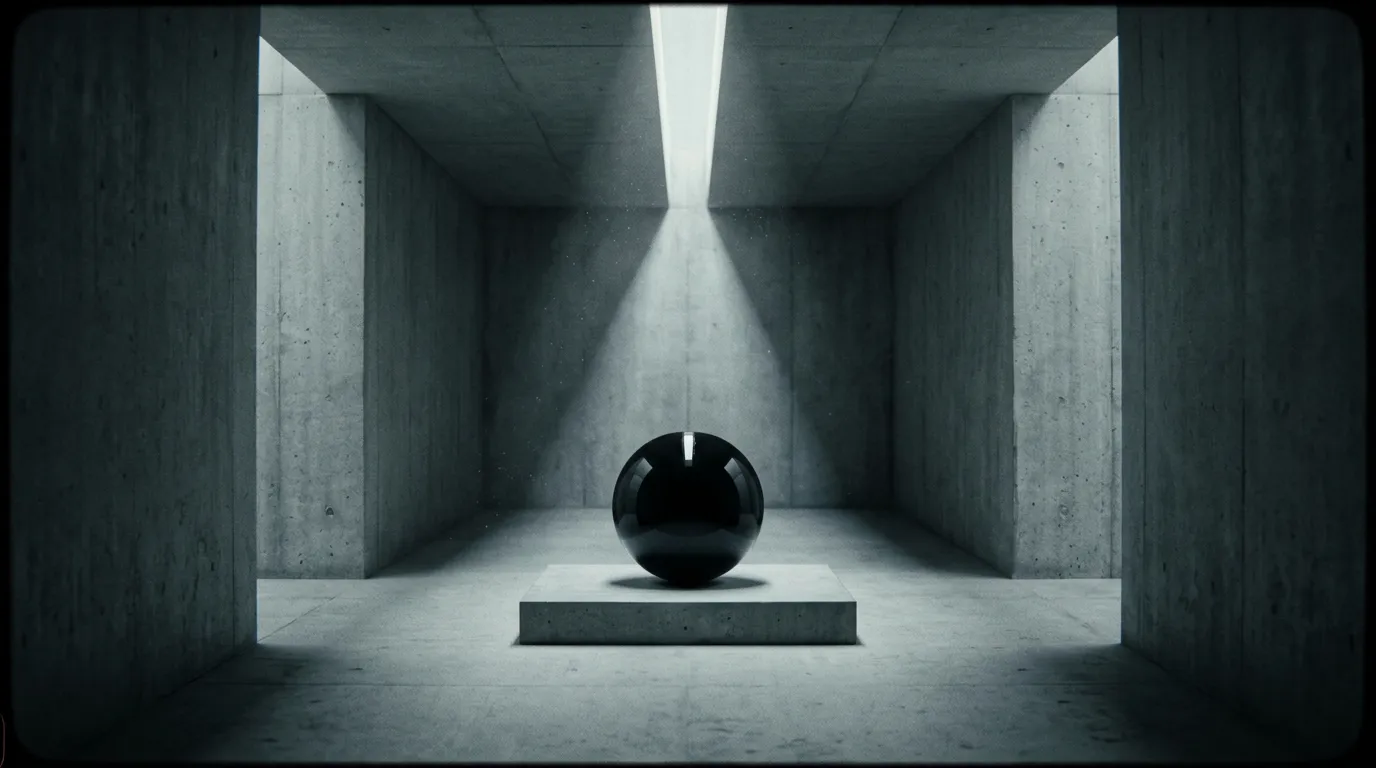
Sora 2 Pro: Advanced World Simulation
A deeper look at the improvements in spatial accuracy and physical interactions.
Evolving Beyond Basic Motion
The standard release of OpenAI's video generation architecture established a baseline for cinematic consistency. However, commercial filmmakers often encounter walls when attempting to simulate heavily populated scenes or complex liquid dynamics. The release of Sora 2 Pro directly addresses the computational limitations of its predecessor, delivering a highly tuned engine designed expressly for rigorous world building and object permanence.
At the core of this upgrade is an enhanced reliance on spatial mapping. When setting up a tracking shot in a standard model, objects passing behind walls frequently vanish or alter their shape upon reappearance. The Pro iteration locks spatial coordinates early in the generation matrix. This forces the video generation studio to remember the exact dimensional weight of occluded objects, ensuring they return to the frame intact and geometrically sound.
Fluid Dynamics and Complex Interactions
One of the hardest tests for any generative framework is the interaction between distinct subjects. A character walking alone down a street is computationally simple, but two characters interacting, shaking hands, or pouring water into a glass introduces fractal complexities. The upgraded physics engine significantly reduces the limb-melding artifacts common in high-contact scenes.
This structural rigidity makes it highly dependable for commercial advertising. If a director needs a reliable simulation of water splashing against a product, routing the request through specialized world-accurate physics simulation nodes yields predictable, commercial-grade results. You no longer have to burn hundreds of credits hoping the physics will align perfectly by accident.
Comparing Render Workflows
The trade-off for this intense mathematical accuracy is processing time. Generating scenes with strict physical demands requires deeper compute cycles. Creators actively balance this by testing their core concepts in a multi-model workspace first. They execute low-fidelity test renders on faster models to verify their camera movement, and only commit to the heavier Sora 2 Pro pipeline when finalizing the cinematic cut.
For advanced users, pairing this model with specialized optical adjustments is standard practice. Generating a perfect physical environment and subsequently applying an intense neon dust effect merges structural reliability with high artistic stylization. This procedural approach guarantees a foundation of unbreaking realism underneath heavy stylistic overlays.