AI Video for Documentaries
How independent journalists and directors are visualizing the past using generative AI.
Solving the Missing Archive Problem
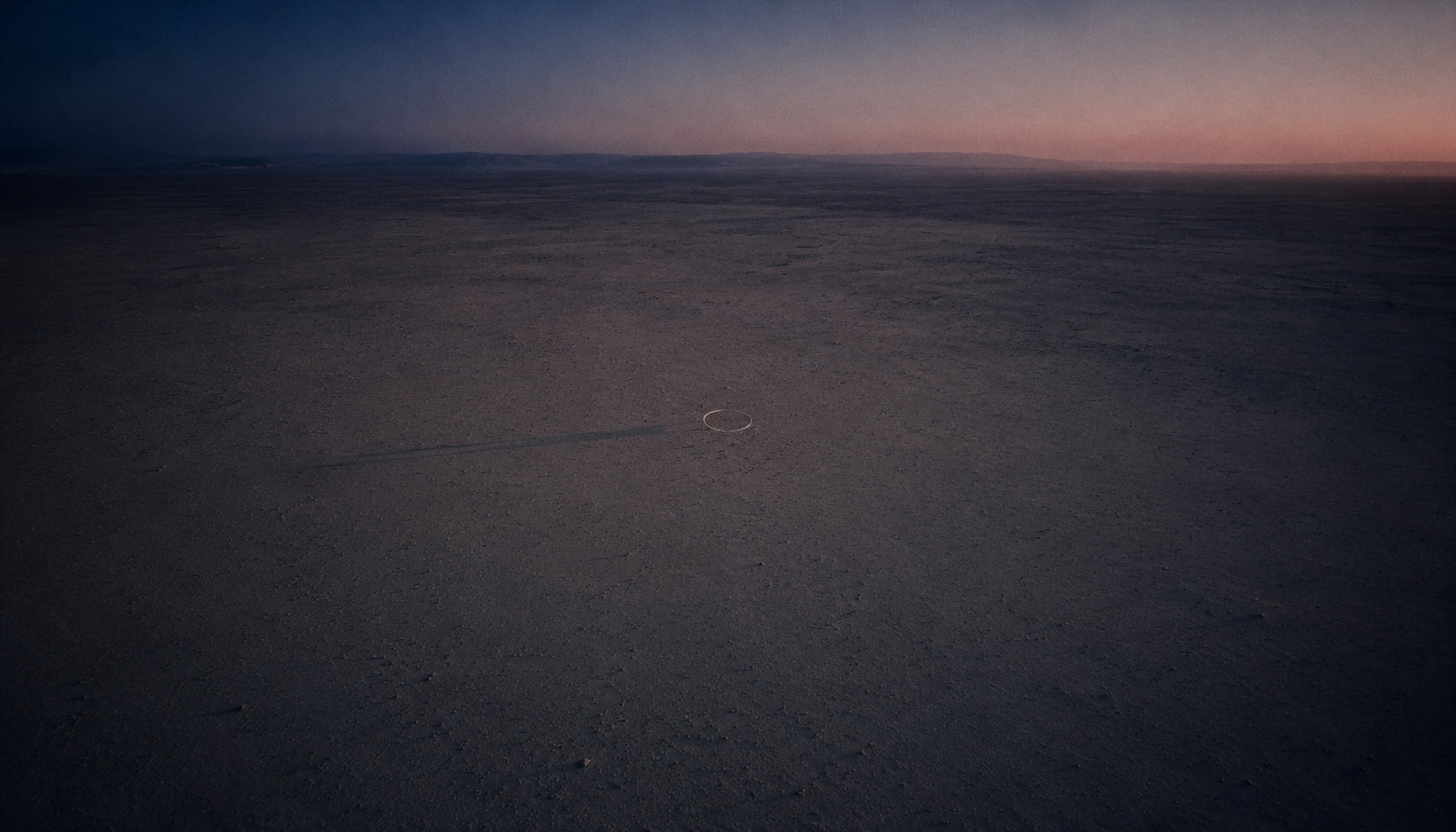
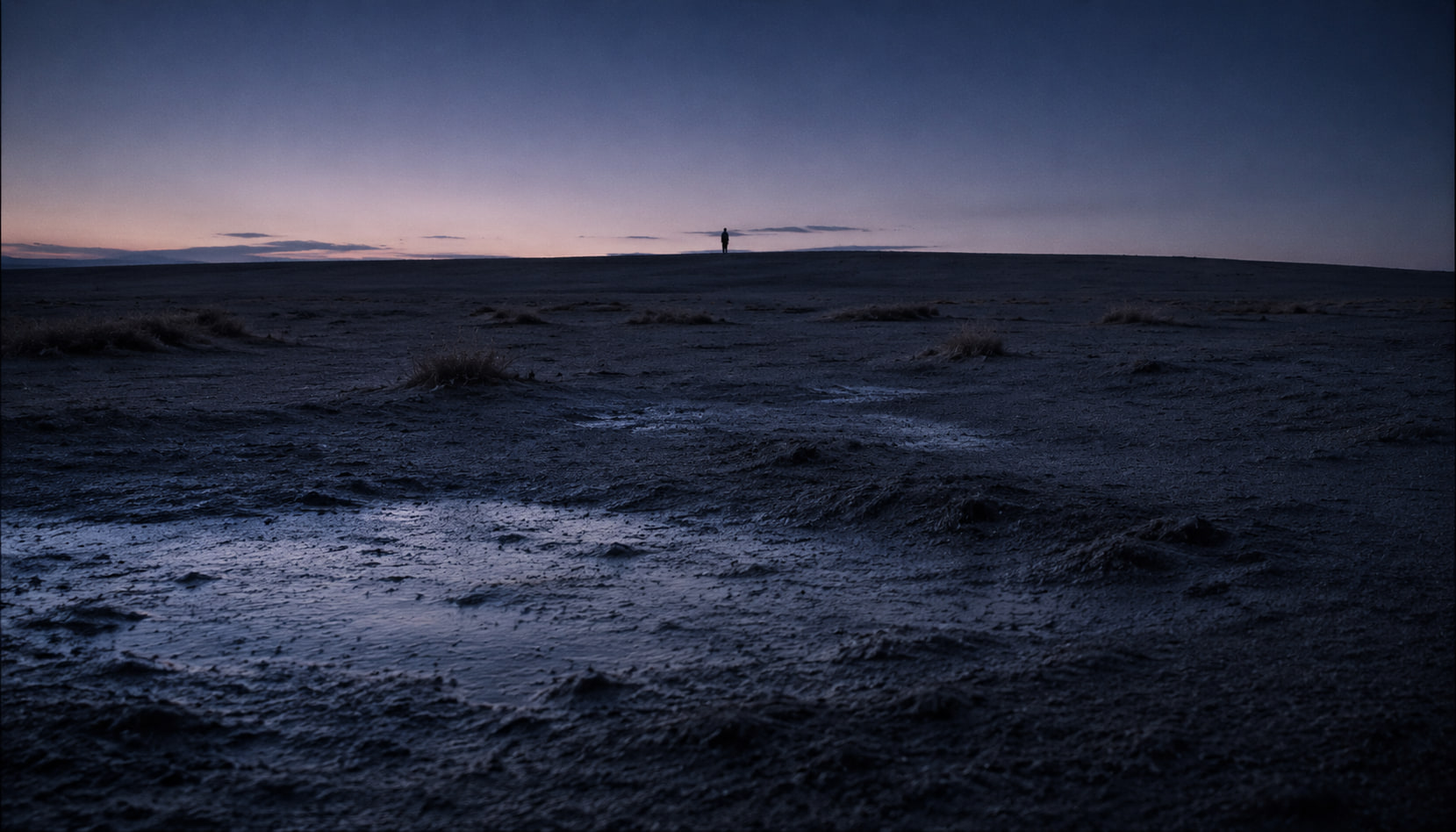
Independent documentary filmmakers frequently hit a wall during post-production: missing archival footage. When narrating an event from the 19th century or an undocumented private meeting, directors traditionally relied on expensive 3D reconstructions or abstract voiceovers. Today, leveraging a specialized promotional video generation studio allows creators to visualize these lost historical moments seamlessly. By treating the AI as an archival re-enactment tool, filmmakers can maintain visual engagement without inflating their production budget.
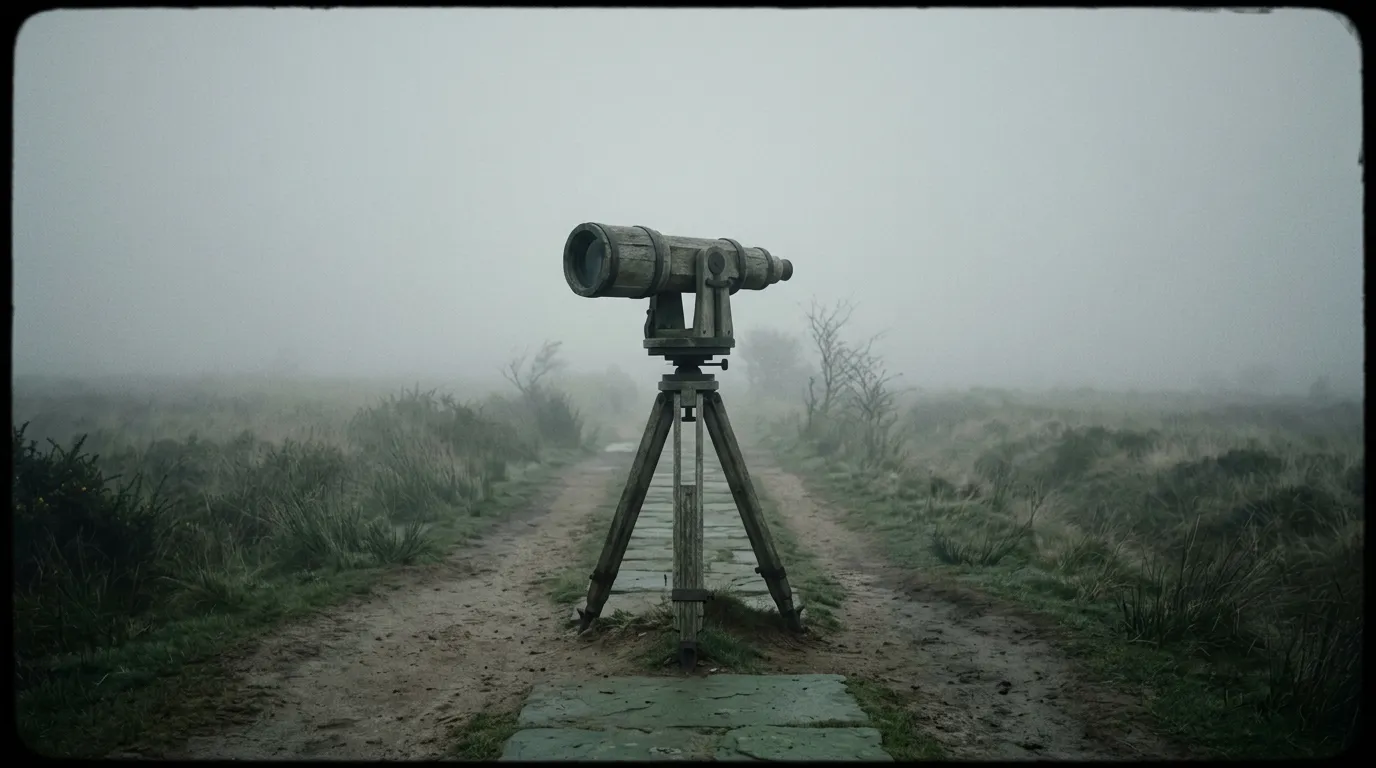
However, historical accuracy requires strict aesthetic control. Text-to-video processes often hallucinate modern elements into historical prompts. To prevent this, directors first generate static reference shots. Using Midjourney V7 to establish the vintage color grading, film grain, and era-appropriateWARDROBE ensures that the foundational aesthetic is locked before any motion is introduced.
Bringing Historical Figures to Life
When a documentary requires reading from a historical diary or letter, an invisible voiceover can feel disconnected. Modern filmmakers are animating historical portraits to deliver the lines directly. Routing these static portraits into dedicated voice and mouth mapping models forces the generative engine to sync the historical subject's face to the narrator's audio track. This bridges the emotional gap between the audience and the historical figure.
Transitioning between modern-day interviews and historical reenactments requires careful editing to avoid jarring the viewer. Filmmakers commonly use structural overlays to bridge timestamps. Integrating a time-shift visual effect allows the raw interview footage to dissolve naturally into the AI-generated historical B-roll, keeping the documentary's narrative flow completely intact.