GPT Image 2 vs Seedream 5 vs Midjourney
Three distinct philosophies — OpenAI's reasoning-first generation, ByteDance's visual intelligence, and Midjourney's artistic voice. We tested all three on identical prompts.
The three most capable AI image models in 2026 take fundamentally different approaches to generation. GPT Image 2 uses a reasoning architecture that plans compositions before rendering. Seedream 5 applies visual intelligence to model scenes with coherent depth, occlusion, and multi-subject relationships. Midjourney v7 has a distinctive artistic voice that produces imagery with a signature aesthetic quality.
We tested all three on PonPon with identical prompts across photorealism, text rendering, artistic styles, complex scenes, and iterative editing. Here is what we found.
Photorealism
All three models produce photorealistic output, but they achieve it differently.
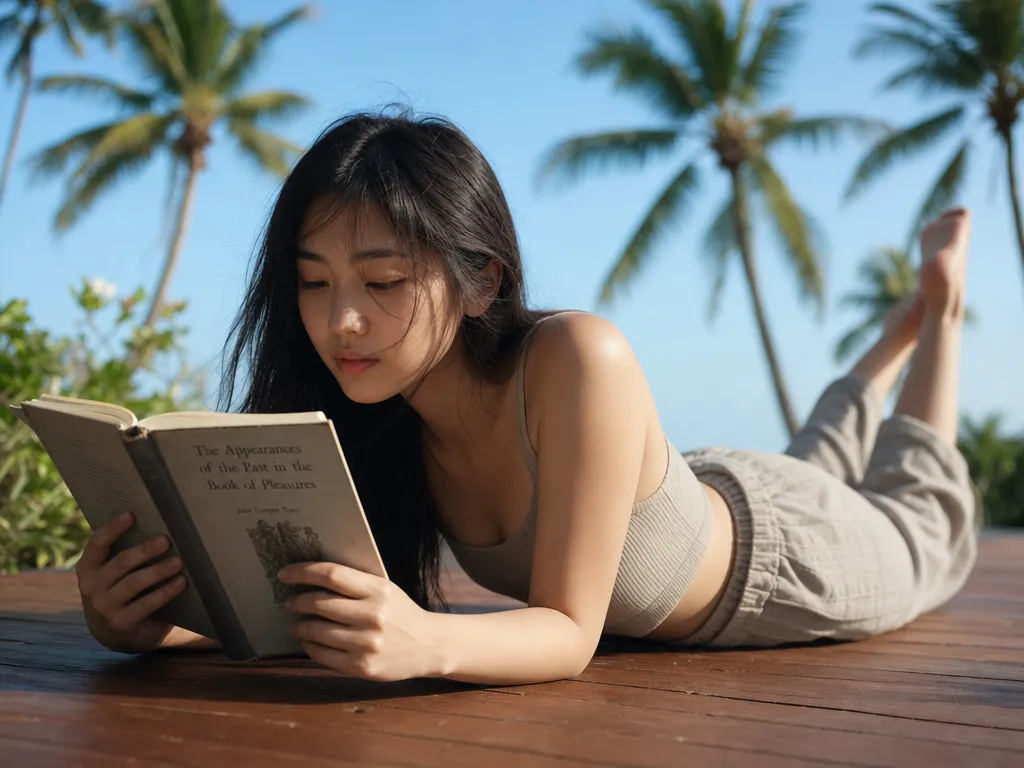
GPT Image 2 produces the most technically precise results — skin texture, fabric weave, and material properties render with a level of detail that reads as photographed rather than generated. Lighting is deliberate and consistent across the frame.
Seedream 5 matches GPT Image 2 on editorial-quality portraits and fashion photography. Skin rendering is natural, fabric drapes realistically, and multi-subject compositions maintain coherent lighting. The difference shows on technical subjects — product photography with reflective surfaces or complex glass refraction — where GPT Image 2 holds a slight edge.
For teams watching cost per image, Seedream 4.5 keeps most of that quality while running faster and cheaper.
Midjourney v7 takes a different approach. Its photorealistic output has a cinematic quality — slightly stylized color grading, intentional mood, the feeling of an art-directed photo shoot rather than a documentary capture. If the brief calls for editorial mood over technical precision, Midjourney delivers it more naturally.
Text rendering
This is the clearest differentiator. GPT Image 2 renders text at near-perfect accuracy that handles multilingual content — logos, labels, headlines, code snippets, packaging in Chinese, Japanese, Korean, and other non-Latin scripts. 99% measured accuracy.
Seedream 5 renders legible text for short strings — brand names, signage, simple labels. Longer strings and complex typographic layouts degrade. It is usable for product mockups with short text but not reliable for full ingredient lists or multi-paragraph content.
Midjourney v7 has improved significantly from earlier versions but still produces occasional character-level errors on longer strings. Short titles and brand names render well; detailed text blocks are unreliable.
For any use case where text accuracy matters — product packaging, social media cards, UI mockups, infographics — GPT Image 2 is the clear choice.
Artistic style range
Seedream 5 has the widest artistic range. Oil painting textures, watercolor washes, ukiyo-e, pop art, architectural rendering, and illustration styles all render faithfully. Seedream 5 has been tested head-to-head with Nano Banana Pro on artistic styles and leads on range.
Midjourney v7 has a narrower but more distinctive range. Its signature aesthetic — cinematic, mood-driven, slightly dreamlike — is difficult to replicate with other models. When you want "the Midjourney look," nothing else produces it as naturally.
GPT Image 2 covers mainstream styles competently — photorealistic, editorial illustration, flat vector, isometric — but artistic edge cases like specific painting movements or highly stylized illustration go to Seedream 5.
Prompt adherence
GPT Image 2 wins this category by a visible margin. Multi-element scenes with six specified objects, precise spatial relationships, and particular lighting conditions render faithfully. The reasoning architecture resolves the whole prompt instead of prioritizing the first few tokens.
Seedream 5 handles complex prompts well — particularly multi-subject compositions where spatial relationships matter. It resolves depth, occlusion, and gaze direction accurately. Occasional misses on edge cases like very specific color palettes or precise object counts.
Midjourney v7 interprets prompts more loosely. This is a feature, not a bug — the model takes creative license to produce aesthetically pleasing results that may deviate from strict literal interpretation. For creative exploration this is an advantage; for precise technical briefs it is a limitation.
Speed
Seedream 5 is the fastest of the three, with generation times noticeably shorter than both GPT Image 2 and Midjourney v7. GPT Image 2 has improved significantly from its predecessor but the reasoning step adds overhead. Midjourney v7 falls in the middle.
For brainstorming sessions where rapid iteration matters, Seedream 5's speed advantage compounds across 20-30 generations. For final production where quality trumps speed, the difference is negligible.
Subject fidelity across edits
GPT Image 2 has a unique advantage here. Upload a reference image and iterate — the face, product, or brand element stays locked across rounds of editing. No drift, no subtle identity shifts. This changes iterative workflows fundamentally.
Seedream 5 supports reference-image editing with good consistency, though subtle drift can appear after several rounds. Midjourney v7's editing capabilities are more limited — it produces excellent initial generations but iterative refinement is less precise.
Multilingual content
GPT Image 2 renders CJK, Hindi, Bengali, and other non-Latin scripts at the same 99% accuracy as English. This is the clear leader for international marketing, multilingual packaging, and cross-border e-commerce content.
Seedream 5 handles Chinese and Japanese text reasonably well — expected given ByteDance's origins — but accuracy drops on Hindi, Bengali, and other scripts. Midjourney v7 handles Latin scripts and common CJK characters but is unreliable for less common scripts.
When to use each model
- GPT Image 2 — text-heavy designs, product photography with labeling, multilingual content, iterative editing where subject fidelity matters, complex briefs with precise spatial requirements
- Seedream 5 — artistic style exploration, editorial portraits, fast brainstorming sessions, multi-subject compositions, scenes requiring coherent depth and occlusion
- Midjourney v7 — mood-driven imagery, cinematic aesthetic, creative exploration where the model's artistic interpretation adds value, brand identity work where the Midjourney look is the goal
The professional approach
The strongest workflow uses all three. Generate a concept with Seedream 5 for speed, refine with GPT Image 2 for precision and text accuracy, and try Midjourney v7 when the brief calls for its distinctive aesthetic. PonPon's side-by-side comparison workspace makes this practical — same prompt, all three models, one click.
Head to PonPon's image studio, select any of the three, and generate with the same prompt to see the difference on your specific use case. One credit wallet, one interface, every model.