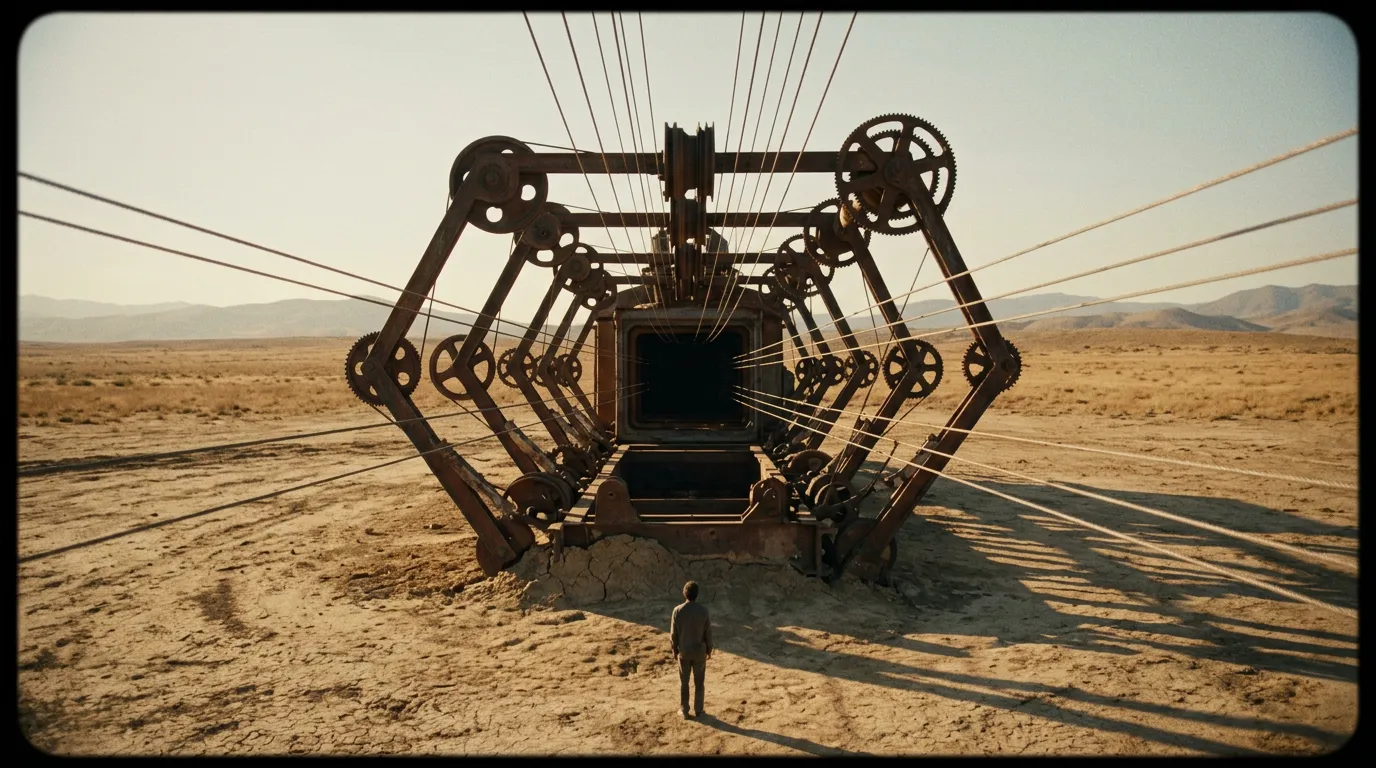
Midjourney V7: The Cinematic Benchmark
How the foundational image generator continues to dictate the artistic direction of AI video pipelines.
The Importance of the Anchor Image
The generative video process is rarely handled cleanly by a single text prompt. Relying strictly on a video model to pull an entire cinematic world out of thin air results in uncontrollable, shifting assets. The professional pipeline dictates an image-first approach: locking the visual grade before asking the engine to compute physical motion.
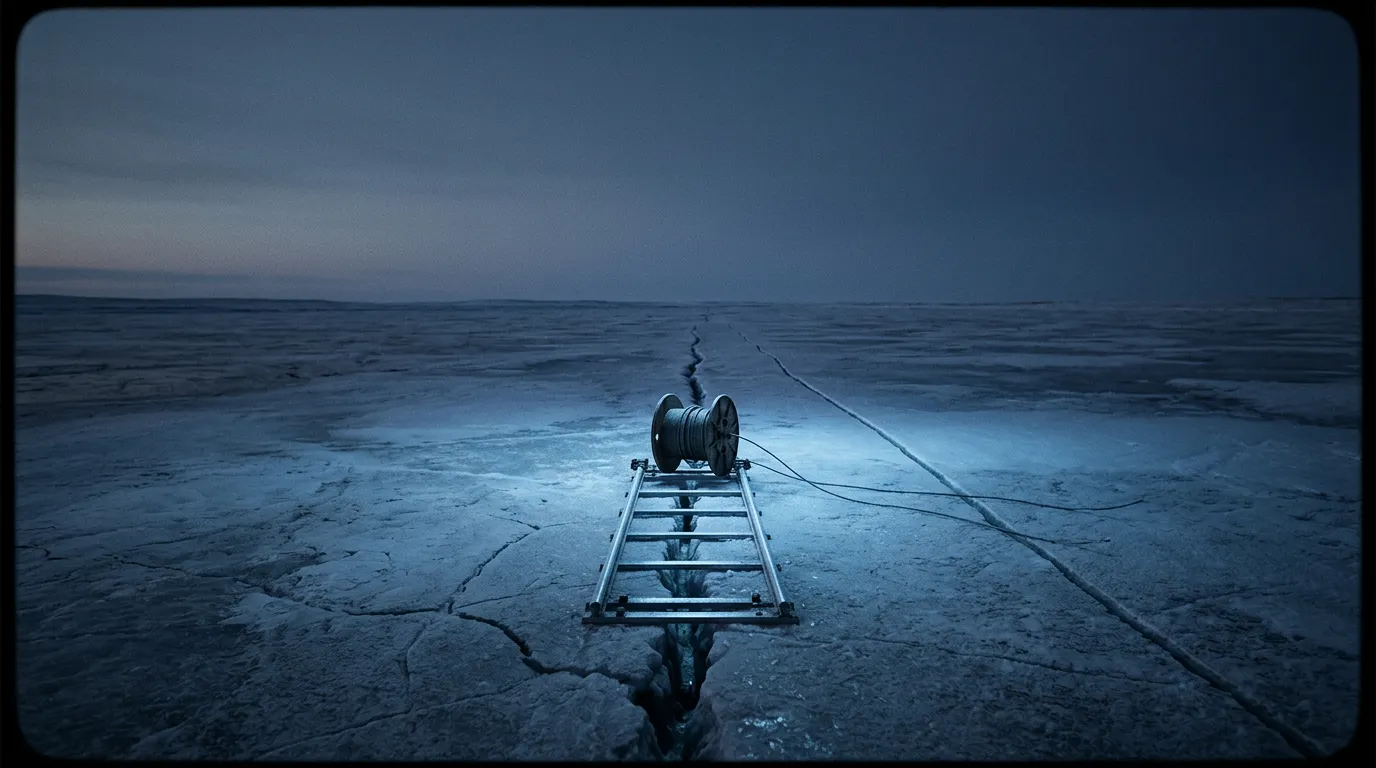
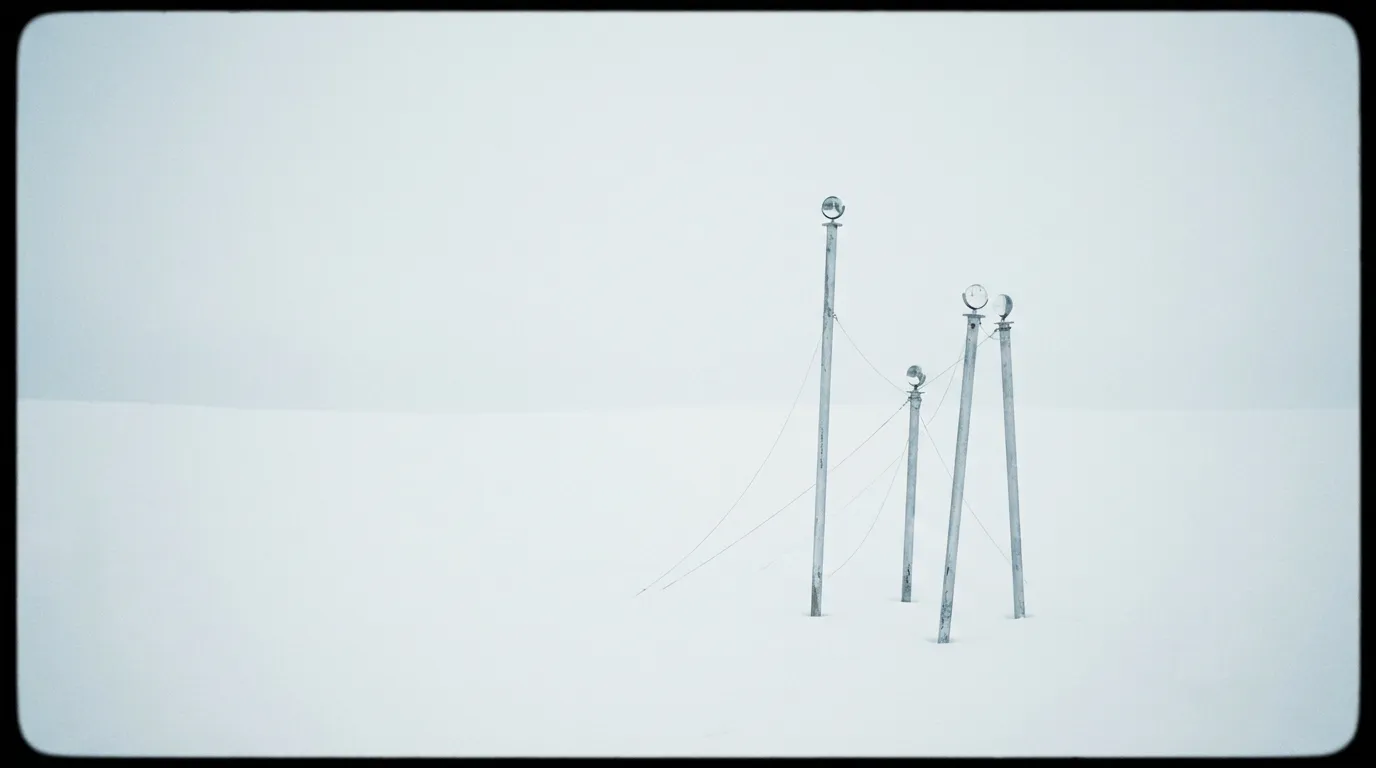
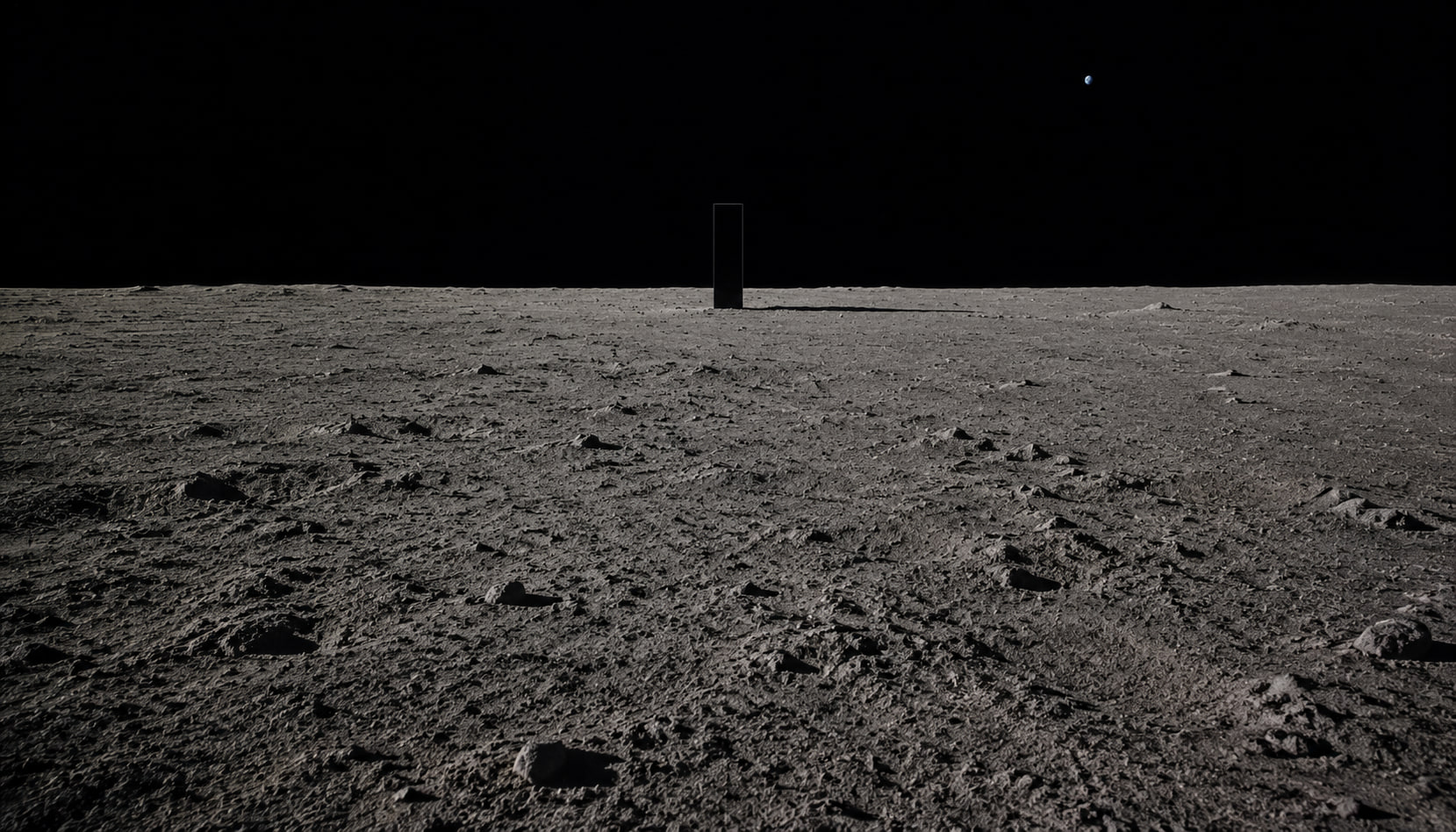
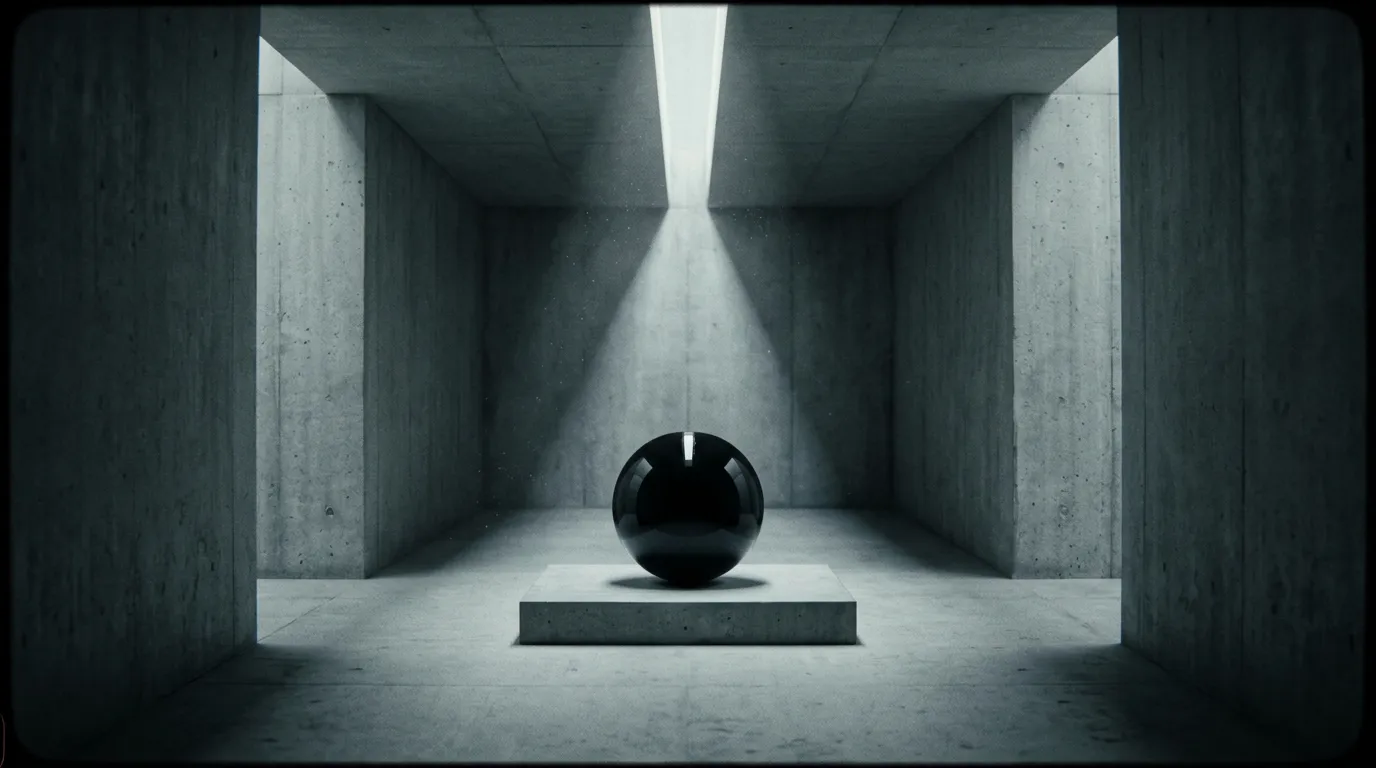
While numerous rendering options exist, Midjourney V7 continues to dominate the aesthetic benchmark for cinematic production. The engine's inherent bias toward deep contrast, balanced filmic lighting, and impeccable lens emulation makes it the superior choice when creating foundational assets for an image-to-video sequence.
Manipulating the Cinematographic Eye
Prompting Midjourney V7 is less about describing the physical scene and more about directing the virtual lens. Instead of describing a generic street, professional creators apply strict photographic terminology. Instructing the engine to render "a medium shot on 35mm film stock, volumetric fog, rim lighting" bypasses the generic digital smoothness often associated with AI art.
Once a sequence of heavily art-directed V7 keyframes is approved, those static images are moved into advanced animation engines. Pushing a highly cinematic Midjourney frame into a physics-heavy processor like Veo 3.1 ensures that the subsequent video file retains the exact dramatic lighting and film grain established in the first step. The video engine isn't tasked with composing the colors; it simply calculates the movement.
Establishing Character Consistency
In long-form storytelling, characters must remain recognizable across various environments and lighting setups. When a project demands multi-shot continuity, creators depend heavily on Midjourney's robust character referencing tools.
By feeding the engine a reference image along with strict weighting parameters, directors can generate consistent portraits of an actor from multiple specific angles. This library of character angles becomes the raw material used within a node-based workflow pipeline. Editing a short film is vastly simplified when your source keyframes ensure that the protagonist's wardrobe and facial structure survive the transition into dynamic video rendering.