AI for Game Trailers, Cutscenes, and Cinematics
AI video generation gives indie studios and AAA teams alike a faster path to cinematic game content — from concept trailers to in-game cutscenes.
Game trailers sell games. Cutscenes build emotional investment. Cinematics establish world and tone. All of these require video production capabilities that most game studios — especially indie teams — do not have in-house. AI video generation is changing this equation by making cinematic content accessible to studios of any size.
The cinematic gap in game development
Most game studios are built around game development: programming, game design, art, animation. Cinematic video production is a different skill set. Traditional approaches to game cinematics require either an in-house team with motion capture, rendering, and editing capabilities, or outsourcing to a cinematic production studio.
For AAA studios, this is a budgeted line item. For indie studios, it is often the missing piece — the game is great, but the trailer does not sell it because the team lacks cinematic production skills. The game launches with gameplay footage that does not capture the experience.
AI video generation fills this gap. A game developer who can describe their game's world, characters, and key moments in text can produce cinematic content that approaches the quality of traditional production.
Game trailers: the most immediate application
A game trailer needs to do three things: establish the world, create emotional engagement, and show the core experience. AI generation handles all three.
World establishment. Generate sweeping environmental shots that introduce the game's setting. A post-apocalyptic cityscape at dawn. A fantasy kingdom seen from above. A spaceship interior with blinking console lights. Sora 2's photorealism and Veo 3.1's camera control produce establishing shots that rival traditional CG rendering.
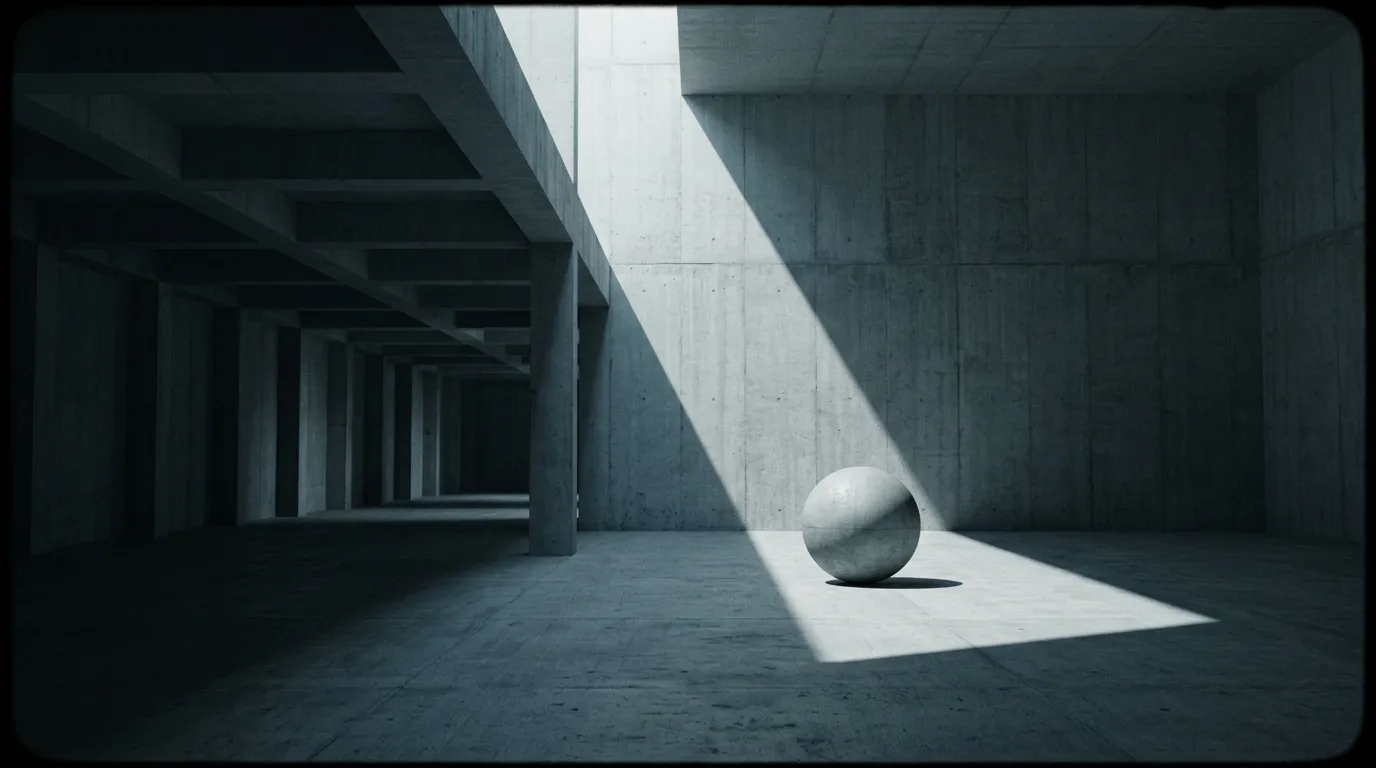
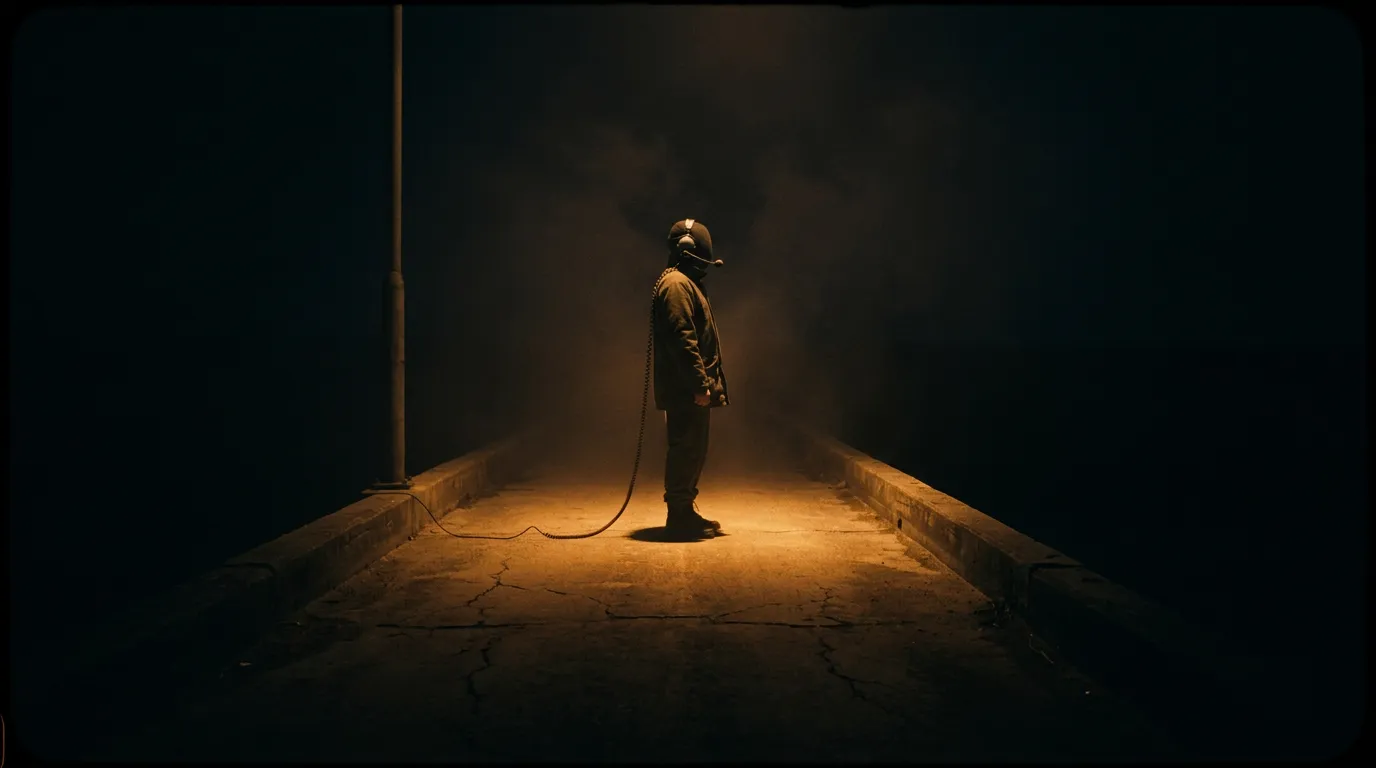
Mood and tone. The visual language of a trailer — color palette, lighting, pacing, camera movement — communicates the game's emotional tone before a word is spoken. AI generation lets developers experiment with visual moods rapidly. Generate the same scene with warm heroic lighting, then cold ominous lighting. See which matches the game's identity.
Key moments. Every game has signature moments — a boss reveal, a plot twist, a dramatic setpiece. Generate cinematic interpretations of these moments for the trailer. They do not need to match the in-game graphics exactly; they need to capture the feeling.
A practical trailer workflow on PonPon: write 8-12 shot descriptions covering world, character, and key moments. Generate each with 2-3 model options. Select the best outputs. Edit together with music and sound design. A solo developer can produce a compelling 60-second trailer in a day.
Cutscenes for narrative games
In-game cutscenes bridge gameplay segments with story. They do not need to match gameplay visual fidelity exactly — many successful games use a deliberately different visual style for cutscenes.
Stylized cutscenes. Generate cutscenes in a distinct visual style — painterly, comic book, noir, anime-inspired. This sidesteps the uncanny valley of trying to match in-game character models and creates a deliberate artistic choice.
Dialogue scene coverage. Kling 3.0's character consistency and multi-shot capability suit dialogue scenes. Generate establishing wide shot, over-shoulder medium shots, and close-up reaction shots with consistent character appearance across angles.
Environmental storytelling. Cutscenes that show environmental changes — a city being attacked, seasons changing, time passing — work well with AI generation. The model handles environmental transformation naturally.
Transition sequences. Short cinematic transitions between game chapters or levels — a ship sailing between islands, a car driving between cities, time-lapse of a base being built — add production value with minimal generation effort.
Concept cinematics: pre-production for games
Before a game is built, cinematics help the team align on vision and help publishers understand the project.
Pitch cinematics. A two-minute concept cinematic can convey a game's potential more effectively than a design document. Generate key scenes that demonstrate the world, characters, and tone. This is the game industry equivalent of a film pitch deck.
Tone references. Early in development, the team needs to agree on visual direction. Generate concept clips in different styles and compare them. Is the game gritty and realistic, or stylized and vibrant? Seeing options accelerates alignment.
Marketing planning. Generate concept marketing materials early in development. These help the marketing team plan campaigns while the game is still being built, rather than waiting for final assets.
Model selection for game content
Sora 2 for photorealistic game worlds. When the game targets realism — military shooters, racing games, simulators — Sora 2's photorealism matches the intended aesthetic. Its physics accuracy produces believable environmental interactions.
Kling 3.0 for character-driven scenes. Games with strong character narratives benefit from Kling 3.0's character consistency across shots. Generate a recognizable protagonist in different environments and scenarios.
Veo 3.1 for cinematic camera work. Game trailers rely heavily on dramatic camera movements — sweeping reveals, dramatic push-ins, orbital shots around key subjects. Veo 3.1 translates camera direction prompts precisely.
Seedance 2.0 for action and dynamic motion. Combat sequences, chase scenes, explosions, environmental destruction — Seedance 2.0's expressive motion handling suits the dynamic content that game trailers need. Its speed also enables rapid iteration during concept development.
Practical considerations
Resolution and format. Most game trailers target 1080p or 4K. Generate at the highest resolution available and upscale if needed. For social media trailers, 9:16 vertical format may be appropriate — generate natively in vertical rather than cropping.
Consistency across shots. A trailer needs visual coherence. Use consistent style prefixes in your prompts — "cinematic, desaturated blue-gray palette, overcast lighting, anamorphic lens" — across all shots to maintain a unified look.
Audio integration. AI-generated video from most models is silent or generates basic audio. Plan for custom sound design and music. The audio track often matters as much as the visuals in a game trailer.
Iteration speed. Game development involves constant creative iteration. Seedance 2.0's sub-60-second generation and the ability to quickly regenerate with adjusted prompts matches the iterative nature of game development.
The indie advantage
AI video generation disproportionately benefits indie studios. A five-person team that could never afford a cinematic production pipeline can now produce trailer and cutscene content that competes for attention alongside AAA releases.
This is not theoretical. Indie games with AI-generated trailers are already performing well on platforms like Steam, where the trailer is often the primary factor in a purchase decision. A compelling 60-second trailer generated with AI tools can be the difference between a game being noticed and being overlooked.
The investment is minimal — a day of prompt writing and generation, plus editing time. The return is a professional-quality cinematic asset that represents the game accurately to potential players.
Start with your game's most visually striking moment. Generate it. If the result captures even 70 percent of what makes that moment compelling, you have the foundation of a trailer that sells your game.